
Windows 10
Description
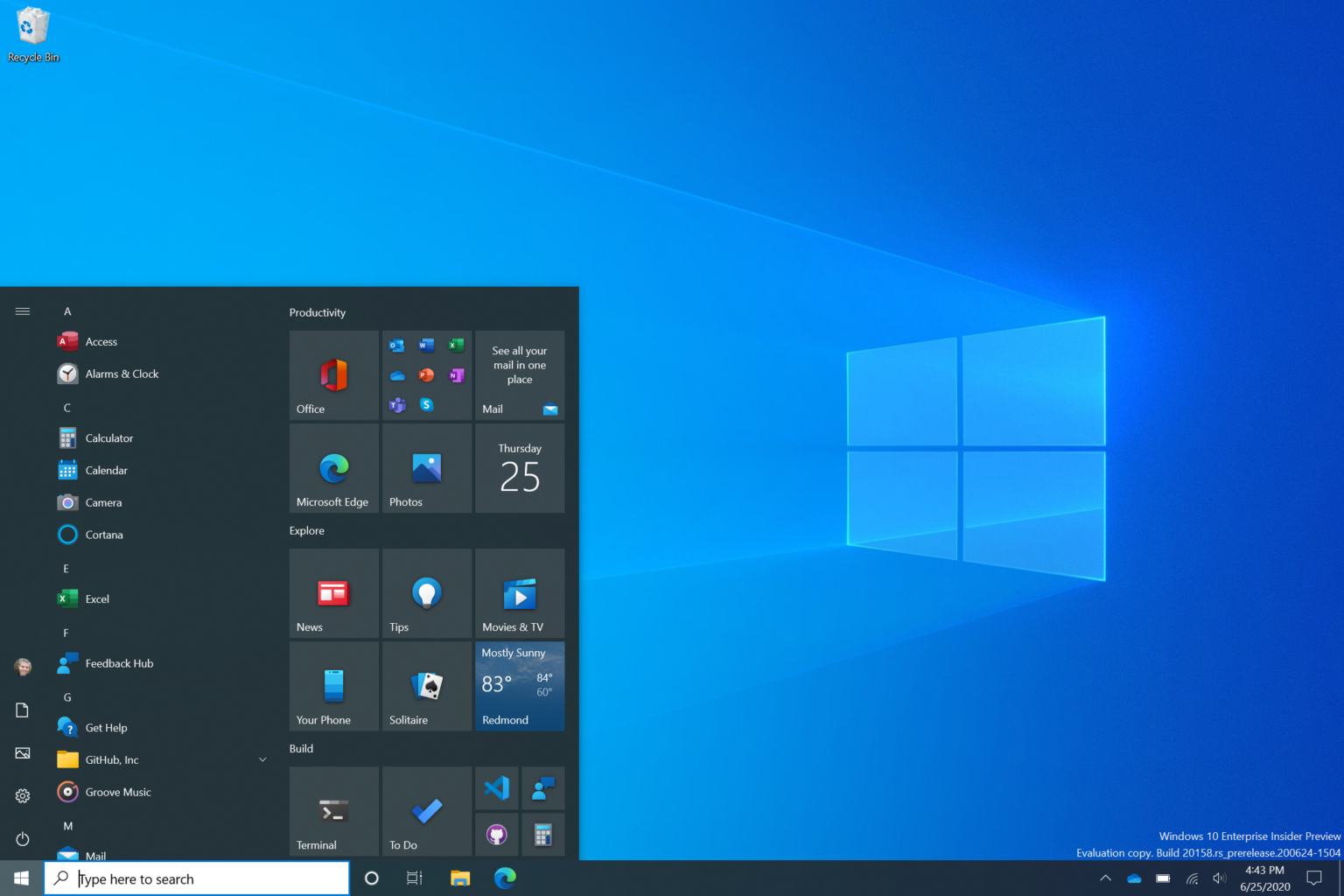
The Windows 10 operating system made its appearance relatively recently, becoming available to the public on July 29, 2015. During the development process, Microsoft maintained its consistent path towards full platform unification. For Mac users, Windows 10 provides wide compatibility and can be installed on desktop computers, laptops, tablets, and even smartphones, as well as Xbox One consoles when using emulation or virtualization solutions. This unified platform guarantees that users are able to synchronize settings and preferences seamlessly across all devices, much like what was already possible with previous Windows editions on Mac via virtual machines and specialized tools.
The distribution approach for Windows 10 also deserves special attention—especially for users migrating from Mac environments who may have dual-boot or virtual setups. While a significant number of users were satisfied with their existing Windows 7 or Windows 8 systems on Mac, market statistics showed those older versions still held a large share within the Mac community using Boot Camp or similar utilities. Recognizing this, Microsoft gave people running these operating systems the valuable opportunity to upgrade directly to Windows 10 without extra cost for a full year after its release. Particularly interesting is that Windows 10 marked the final version ever to be distributed in a physical box. From this point on, all releases have been exclusively digital—allowing Mac users to download Windows 10 or acquire the Windows 10 ISO image for convenient installation via USB or on virtual machines, perfectly suiting modern Mac workflows.
A key curiosity is why Microsoft skipped the numerical progression and did not name the OS Windows 9. This decision was mainly due to extensive marketing research. Although Windows 8 maintained high popularity among many Mac users for its performance in virtual environments, Microsoft did not view it as their most optimized software. The aim for the new version was to prevent any associations with prior editions on any platform, especially when used on Mac. Furthermore, the relatively short development period for Windows 10 was possible because Microsoft had already introduced effective solutions in many areas beforehand. For Windows 10 on Mac, their primary objective was to consolidate all the best features from older versions and add new, useful functionalities—making it easy to find, download Windows 10, and enjoy reliable performance on your Mac device.
Frequently Asked Questions
You May Also Like
Reviews & Comments
No comments yet. Be the first to share your thoughts!